Thursday, April 1, 2021

3 Key Advantages of Telescopic Boom Truck Crane


3 Key Advantages of Telescopic Boom Truck Cranes


(IMG URL: https://drive.google.com/file/d/1hp8JOrGxmzSY6FpEqLh7hedU_e02BOb4/view?usp=sharing)


Versatile, affordable, and easy to use, Telescopic Boom Trucks combine the benefits of a crane and cherry picker with the capacity and maneuverability of a flatbed truck. Before picking a crane for your next project, discover how the Telescopic Boom Track Crane compares to its counterparts.

1.  Perfect for smaller projects

If you are looking for a crane to hoist and move smaller loads around your project site, a boom truck might be the right option for you. It is much more affordable and maneuverable than larger cranes, and allows you to lift small to medium-sized loads effortlessly.


With the use of their permanently affixed winch, you can rely on them to be prepared for immediate lifting when you need it most. The winch of a telescopic crane, coupled with a rotating and telescopic superstructure, allows load movement linearly, making the crane easier to operate. Furthermore, the fixed winch is designed to be able to lift loads for longer periods of time than knuckle cranes.

2.  Greater Durability

The enclosed boom on boom trucks is designed to protect its hydraulic cylinders and components from the elements, making them less vulnerable to damage from the sun, dust, heat, moisture, and other factors. With a design that protects from wear and tear, telescopic boom trucks have a longer cylinder life and require less costly maintenance than knuckle cranes. The multiple exposed cylinders on a knuckle crane's boom can cause problems in some environments as well, making them less adaptable to some climates.


Most boom trucks over 30 tons come with enclosed operator cabins equipped with heat and air conditioning, keeping the operator safe from severe weather conditions, allowing them  to perform their jobs more comfortably.


3.  Ease of service and training

With the added benefit of protection from the elements and a design that reduces friction and wear, the telescopic boom truck crane costs less in terms of servicing than the knuckle crane.


Many of the setbacks that crane operators may face on the job are due to lack of training on the required equipment. Knuckle boom cranes tend to be more complex than other types of cranes and the complexity of the controls and movement often require several days to train new operators. On the other hand, boom trucks are designed with easy-to-use control systems,  which means the owners of telescopic boom truck cranes have a much easier time training new operators and filling positions quickly.


For over 20 years, American Aerial Services has offered quality work you can rely on, at competitive rates. No matter the size of the project, we have the team and resources to get any job done. Contact us today for your next building project or crane rental.

Tuesday, January 12, 2021

Choosing the Best Crane for the Job

The jobs done by contractors and construction companies are extremely diverse. Some projects, like a rooftop commercial HVAC installation, have their challenges but tend to be straightforward. Others, like steel erecting for a new office building or warehouse, are anything but. Luckily, the cranes offered by crane rental companies in Maine are just as diverse, ensuring there’s a crane perfectly suited to your project. When you contact American Aerial Services for local crane service, we’ll use the steps below to aid in your selection — or you can get a head start by going down this list ahead of contacting us. 🏗️


What is the Load Weight?

This is typically the first consideration when choosing a crane, since cranes are classified both by their type (truck mounted cranes, crawler cranes, and rough terrain cranes among them) and their capacity. It’s important to remember that the materials being lifted won’t be the only thing used when determining the needed capacity; the type and weight of the block used, the cable — which is heavy in its own right — and any extensions to the boom and jib will also add to the load over and above what’s being raised. It’s better to have the additional capacity and not need it than to need it and not have it.


What is the Load Height?

The load rating of a crane can be a bit deceptive, since the maximum capacity won’t be the same throughout the entire height range or operating radius. Capacity decreases with increases in height and boom radius, and there are other considerations with regard to the boom length, reinforcements, counterweights, and other preparations that need to be made in order to handle heavy loads at extreme heights and awkward radii. We know how to do this, but advance planning ensures that it goes without a hitch; a change in plans, or a project specification that isn’t disclosed, can lead to delays while equipment is procured and modifications made.


What Are the Site Conditions?

Often, it’s not the load but the site that poses challenges. These include, but are not limited to:


  • Soft ground or rough terrain on which it’s difficult to get good footing for the crane or its outriggers
  • Space restrictions posed by the surroundings, including roads, power lines, and surrounding structures
  • A site configuration that restricts access to certain areas
  • A layout that requires materials to be transported to different locations on site
  • Weather conditions that require special preparation or additional precautions


As part of your crane rental, we’ll be evaluating the site to ensure we provide the right equipment and have taken every precaution to complete the job safely.


Where and When is Your Project?

Having chosen the right crane for the job is important, but it also means that our work is just getting started. We’ll need to know the start date and duration of your project to make sure we have the right assets and attachments available as soon as they’re needed. We’ll need to work out the logistics of crane transport, setting up, and scheduling, making sure that our operators and support staff understand the particulars of the project and any potential hazards. Once those items have been taken care of, we’ll be ready to get to work alongside you.


Who’s Operating Your Rental Crane?

Unlike renting a Bobcat, a crane isn’t something you can stop by a local rental center, load up a gooseneck trailer, and have someone reasonably responsible operate the equipment once you’re onsite. Crane rental in Maine requires not just the right crane specifications — cranes ranging from 60 to 150 tons, in our case — but also the specialized knowledge, certifications, and experience to operate it right. It’s not just about bringing your project in on or ahead of time, or keeping it on budget; it’s about keeping everything legal, and keeping everyone safe, too. That’s why so many turn to American Aerial Services when it’s time for local crane service.


Wednesday, November 25, 2020

Benefits of Using Cable Railings


Photo URL: https://unsplash.com/photos/6EmEazqpFgg

Meta: American Aerial Services knows all about cable railing installation and the advantages it presents

Benefits of Using Cable Railings


Cable railings are no longer exclusive to futuristic, Silicon Valley-esque office spaces. Today you’ll find this stylish, safe, affordable railing solution in lots of places, including small commercial properties and private homes. American Aerial Services knows all about cable railing installation and the advantages it presents.


Stylish and Safe

Cable railings are stylish and safe – just the combination that home and business owners prize. In terms of style, there are other railing solutions that provide unobstructed views but none – not even glass – blends into its surroundings like cable. And since the cable we use is top-rated in terms of strength and durability, you won’t have to worry about it snapping or losing tension. Another advantage offered by cable railings is that they’re nature-friendly. Whereas glass-panel railings can be a hazard for birds and pets, cable railings offer easy pass-through. Moreover, our cable is safe for kids and animals to be around.


Enjoy the View

Further to the point above regarding unobstructed views, this is a natural product of a cable railing system’s minimalist design. Traditional wood fences – slat, picket, etc. – are by nature thick and obstructive, and for practical reasons can’t be designed to produce a feeling of openness similar to cable. A cable railing system from our railing installation company in ME delivers a superior view and makes your lawn or deck feel bigger and more spacious.


Easy Installation and Maintenance

Cable railings are designed as a “component system”, which makes them easy to assemble and maintain. Additionally, the system’s flexible nature allows for a high level of customization. Not only are the dimensions of the system adjustable, but you can also integrate diverse materials such as stainless-steel posts, vinyl post sleeves, or even polished wood. Maintenance-wise, cable railing requires minimal upkeep compared to other railing options. Tension keeps the cables in place, and all that’s needed to keep them looking good is a wrench to tighten the connections every so often. This low level of maintenance, combined with a cable railing system’s minimalist design and durable components, ensures a long and trouble-free lifetime.


Added Value

Taken together, all of the qualities mentioned above – low maintenance, durability, versatility, and clean design – confirm that cable railings are a great investment for your home. Other railing materials incorporated into decks, balconies, and fence-works will wear out much quicker than cable, compromising value and safety. The cost to remedy these things prior to selling a home can be high, especially if their structural integrity is in doubt. No such worries accompany a cable railing system – in fact, it’s quite the opposite. Cable railing increases a home’s value.


Contact Our Cable Railing Experts Today

For stainless steel railing installation, cable railing systems, and equipment rental in Maine, trust American Aerial Services. Contact our experts today so we can discuss the railing needs of your home or business. From our perspective, a cable railing system is an outstanding investment – one that’s equal parts stylish, safe, and easy to maintain.

Friday, July 24, 2020

A Brief History of Cranes


The first cranes were used in Greece more than 2,500 years ago. Powered by humans, they didn’t look much like the crane rentals in Maine offered by American Aerial Services, but they’re no less important for that. As cranes have changed and evolved, they’ve helped to change the shape of commerce, architecture, and construction down through the centuries. Here’s how we got to this point.


Early Cranes

When the pyramids and many other early structures were built, they relied on simple ramps and massive numbers of laborers. The Greek city-states, not having a large labor pool to draw on, had to get creative; primitive cranes that amounted to little more than block-and-tackle first emerged around 515 BCE. The Romans would refine these designs further, and each succeeding generation would add its own touches, developing cranes for use in harbors, shipyards, mining, and many other applications in the process. These were usually powered by humans or animals, but in many respects (their use of masts, jibs, pulleys, and winches), they weren’t too different from the cranes that dot building sites today.


Modern Cranes

As steam engines became more prevalent, their use came to everything from trains to excavators (“steam shovels”) and even cranes. Steam allowed for much higher horsepower and a higher mechanical advantage, but it had its limitations, too. The boilers were hot and often dangerous to work with, and anything small and compact was practically out of the question.

As internal combustion engines displaced steam, the crane really came into its own, especially in the postwar years. The Milwaukee Hydraulics Corp H-2 Hydrocrane was the first truck-mounted hydraulic crane. With hydraulic outriggers and a telescoping boom, it proved perfectly suited to the postwar construction boom. Many more models would follow, from companies as diverse as Bucyrus-Erie, Terex, Link Belt, and Liebherr, enabling cranes to go places and perform jobs that would’ve been unthinkable just a few short years earlier.


Cranes in the Present Day

Now, of course, cranes come in an amazing array of configurations, and are used for everything from building high-rise structures and oil derricks to unloading container ships. Some cranes, like the Liebherr 13000, which is designed for the building of nuclear power plants, are extremely specialized, while others are flexible enough to adapt across a wider range of applications. The crane rentals we offer fall into the latter category.


Crane Rentals in Portland ME

There’s a complex relationship between architecture and the cranes that make it possible. Humans are always making things larger and more complex, which means that cranes need to evolve to keep up — which, in turn, means that our buildings are freed to take on new forms. That’s why American Aerial Services offers xx types of cranes, each suited to a different task, and crewed by xxx-certified operators.

  • The 75-ton Link Belt HTC 8675 LB Hydraulic Truck Crane distinguishes itself by a versatile 8x4 driveline that handles all kinds of terrain with ease. That versatility is stretched further by attachments that include hook blocks, fly extensions, and more.
  • The Terex T780 Terrain Crane only bests the Link Belt HTC 8675 LB by five tons, but it has a few tricks up its sleeve. Not least of these is a 65 mile per hour maximum travel speed, 126-foot maximum boom lift, and 133-foot maximum tip height.
  • Some projects call for the big guns, which is when we bring out the Link Belt HC 238 H Lattice Boom Truck Crane. Whether you need the flexibility of either tube boom or boom and jig configurations, or the power to lift up to 150 tons, we’ll ensure you have the right tool for the job.
Our construction concerns are more earthbound these days. Our temples are more likely to be built to commerce than a pantheon of fickle gods. That doesn’t mean that we don’t still reach for the skies, dreaming, and building, big. If your next construction project in Falmouth or Portland, ME requires crane rental or steel erecting, American Aerial Services honors its history even as we look to build the future. Call us today.

Wednesday, May 13, 2020

Summer Jobsite Safety


Summer isn’t quite here yet, but since June is National Safety Month, we’ve decided to get into the festivities a little early. Jobsite safety is a year ‘round concern for American Aerial Services, but each season comes with its own challenges. Because we’re all safer when we work together, we’re sharing some simple tips anyone can use onsite to preserve life and limb this summer.


Understand Summer Dangers

In brief, there are a number of hazards unique to working in the summer. Toxic plants like poison ivy and poison oak, lightning strikes, sunstroke, heat stroke, sunburn, high winds, heavy rains — there’s a lot to be mindful of, and each of us does our part in mitigating the danger.


Keeping Jobsites Safe

In some respects, the fundamentals are the same year ‘round. But it’s easy to get lazy and to assume that we can cut corners, especially when fatigue is getting the best of us and we just want to wrap up and head home. Don’t. Those lapses can have serious consequences. Here’s where to start:


Eat Well and Hydrate

You might wonder what diet has to do with safety. More than you’d think! To begin with, heavy meals leave you drowsy, so it’s best to eat light. For another thing, foods go bad faster in higher temperatures. If you don’t have an insulated lunch bag and plenty of ice packs, you’ll want to avoid anything that’s prone to spoilage; bringing tuna sandwiches, potato salad, or anything else with mayonnaise isn’t a great idea. 

Fluids are also a must, since dehydration leads to fatigue, poor decision making, and injury. Keep caffeine and sugar to a minimum to avoid further dehydration and yo-yoing blood sugar. That said, Gatorade and other drinks with added electrolytes are a good idea since they’ll help replace fluids and minerals you’re sweating out — just keep an eye on sugar content.


Watch the Forecast and Plan Accordingly

Weather can be unpredictable any time of year, but it can be especially difficult to pin down in the summer, with freak weather — winds, midday showers, even the stray tornado warning — seemingly coming from out of nowhere. If you know there’s going to be a period of high heat, plan around it as well as possible, doing more of your work in the morning and evening hours. Just make sure you have enough supplemental light and reflective gear to avoid accidents. And make foul weather prep an integral part of your safety planning.


Remember Your PPE

Yes, we know. It’s hot out, and you’ve got perspiration pouring out of places you didn’t even know could sweat. That’s no excuse to skimp on personal protective equipment. Follow best practices and stick to your safety plan for everyone’s sake.


Stay Covered

When the sun is beating down, it’s important to cover what you can — even though that means wearing long pants and using plenty of sunscreen — in order to stay safe. Sunburn isn’t just uncomfortable; repeated exposure can lead to skin cancer. Make sure clothing is lightweight, light colored, and breathable, long enough to provide sun protection, and that it’s not too loose so that it’s not a hazard around tools and machinery.

Follow Up With Your Crew

Your crew can be well-trained and well-intentioned, but we’re all only human. It’s easy to forget things, especially when you’re so focused on the task at hand that you’re not necessarily keeping your own safety top of mind. That’s why it’s important for supervisors and foremen to keep an eye out for their teams, making sure safety rules are being followed, proper breaks taken, and well-being ensured. As we mentioned earlier, American Aerial Services takes safety as seriously as we take the quality of our work. Our crews are drug tested, and have trained to the standards of OSHA, the NCCCA, and AISC. For a partner that’s as mindful of your crews’ safety as we are of our own, reach out to us for a full range of crane rentals, Maine steel erecting services, and more.

Wednesday, April 15, 2020

Top Three Heavy Hauling Tips


American Aerial Services serves our clients in the Falmouth and Portsmouth, ME areas in a variety of ways. Our crane rentals are an important part of what we do, but so too are steel erecting services, stairs, rails, and so much more. Our work generally does not take place in a vacuum; we’re often involved in major projects that involve commercial and industrial HVAC installations and other specialty equipment, much of which is enormous and requires specialized transport. Since we’re sticklers for proper planning, we’re providing this brief guide to help you better understand and plan around the heavy hauling process.

Understand Your Project

Heavy hauling isn’t usually just about heavy hauling. Whatever needs to get from point A to point B exists in context. Whether it’s a piece of earth moving equipment, structural steel, a modular office, or a backup generator, it’s not enough to know you need something; you need to know why you need it, where you need it, and when you need it. 

Here’s why that matters: beyond key specifications of the item being transported (its precise dimensions and weight, plus any special handling needs), space on any jobsite is limited. Having something collecting dust on site while you’re waiting for the right project phase for its installation can be costly; it’s better to schedule a just-in-time transport to ensure something is there only when it’s needed, it slots into place quickly and easily, and you’re working with your flow rather than against it.

Site & Existing Equipment Evaluation

During the planning phase, you should have gotten a thorough understanding of what you have as current equipment and what you’ll need to finish the project. It's an important part of the process to check for power lines and underground utilities at the site. You do not want unwanted costs to come into play or worse - delay the project all together. Always implementing a safety check to ensure your personnel can work on site is our biggest concern. This is done through a site footprint and part of the overall evaluation.  

Work With an Experienced Hauler & Crane Operator

Equipment and crane rentals are the perfect solution for a variety of jobs. We know from experience, that some things are best left to the experts. All of our rentals include transportation of the machinery, a certified operator and safety check. Just the same as we’re exceedingly careful about crane operation, we don’t suggest contracting with an inexperienced hauler (or, worse still, trying to jerry-rig a solution on your own). Experienced drivers, proper equipment, and the knowledge to plan and execute your project all matter, so choose your partners wisely. 

Wednesday, March 4, 2020

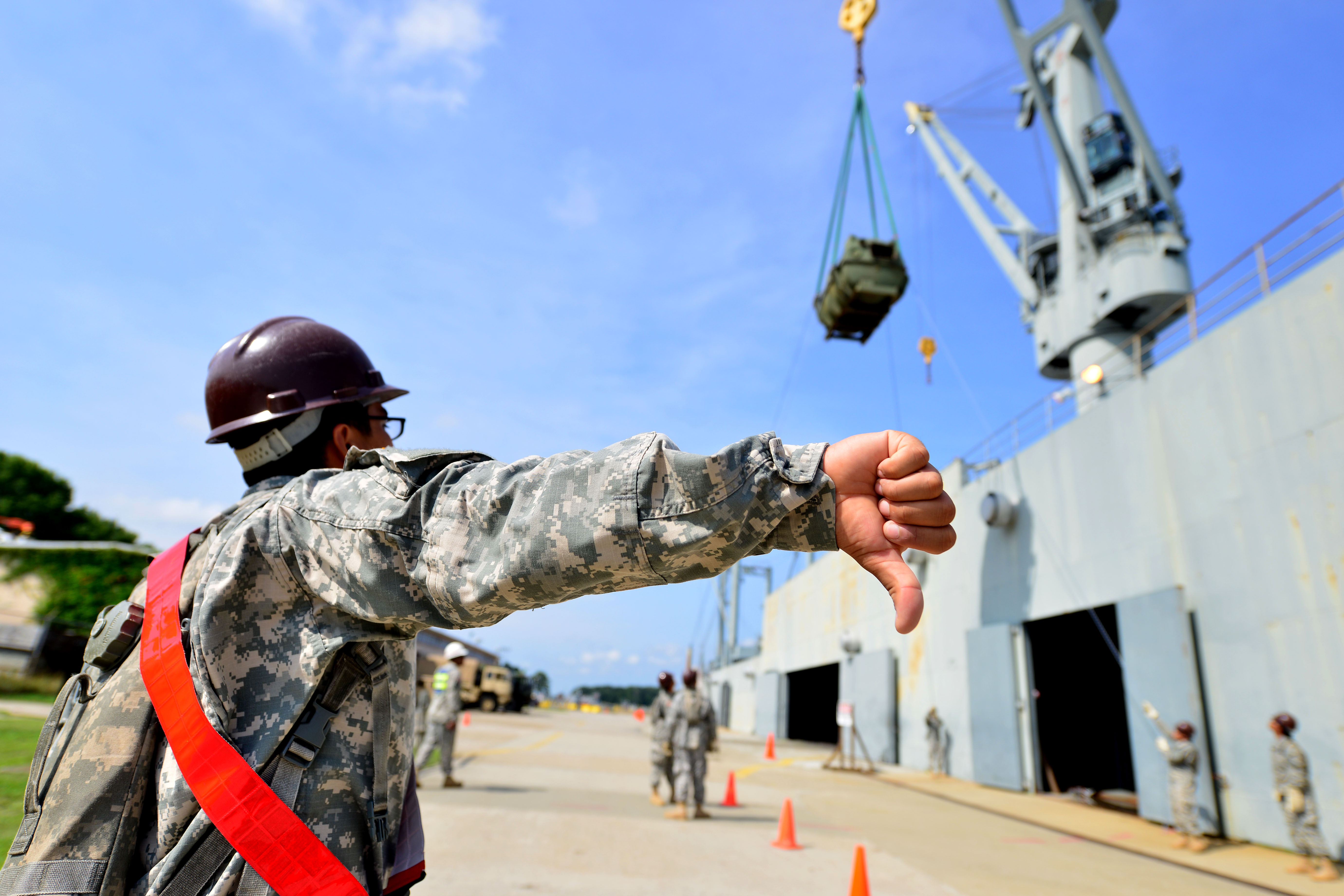
Why a Signal Person Matters to Crane Safety


A significant part of the work done by American Aerial Services isn’t obvious to the untrained observer. Crane rentals are easy to understand, and the benefits of our steel erecting services last long after our work is done. But when it comes to the details of our work, there’s a lot that you might’ve overlooked — even though we certainly don’t. Case in point: the crane signal person, or spotter, who’s a vital part of much of our work. Here’s what they do, how they’re certified, and why it matters to us and to you alike when you’re looking for local crane services in Portland ME.


When a Crane Signal Person is Needed

When they’re using a 90-ton crane to move and place a heavy load, a crane operator can’t afford to be distracted. Unfortunately, visibility on many job sites isn’t all it should be. When you’re working in a tight space, or when the crane operator’s job is just one of a dozen or more being performed on site that day, situational awareness is crucial. But what do you do when lines of sight are compromised, or when you’re trying to navigate all of those obstacles? That’s where the crane signal person comes in.


What a Crane Signal Person Needs to Know

Like much of the rest of our work, our crane signal person is governed by OSHA regulations, and must meet or exceed the qualifications laid out in Subpart CC (specifically 1926.1419 through 1926.1422, and 1926.1428). They must know the signals used on worksites, and be fluent in their use. 


A crane signal person needs to know more than signals. Since they’re often providing an extra set of eyes and ears in circumstances where a crane operator might otherwise be operating blind, their understanding of crane mechanics (crane swing, tail swing, raising, lowering, and stopping rates for loads), and the dynamics of the load itself, including boom deflection, are also needed. And they need to prove all of the above via written and practical tests. 


A number of signals — hand, voice, and audible — can be used. Every so often, situations come up that don’t conform to the usual signals; when that’s the case, the signal person, operator, and anyone else who needs to be alerted will agree on appropriate non-standard signals. 


Why it Matters

At the end of the day, we’re working toward the same goal that you are: a job that’s completed on time, on budget, and safely. Given the nature of our work and the loads we’re handling, there’s a very low margin of error, and having a crane signal person on site is for your safety as much as ours.


Working with American Aerial Services


We’ve had a lot to say about safety up to this point, but it’s not just words; we walk the talk. Our teams carry crane operator certifications from the American Institute of Steel Construction (AISC) and National Commission for the Certification of Crane Operators (NCCCO) in addition to OSHA. That’s required thousands of combined hours of training, written examinations, practicums, and refining our procedures and processes to ensure we’re always ready to give our best. So if you’re looking for the best local crane services in Portland ME, reach out to American Aerial Services. 

Wednesday, January 15, 2020

Our OSHA Certification: What’s in it For You?


Unlike renting a trailer or a skid loader, a crane rental isn’t a job for the inexperienced. Crane companies in Maine often handle heavy loads at dizzying heights; it requires extensive training and skill to prevent minor accidents or major catastrophe. Suffice to say, it’s not as easy as the crane operators of American Aerial Services make it look. If you’re a builder or contractor and you need crane rental you can trust, the many certifications we hold — from AISC, NCCCO, and especially OSHA — will put your mind at ease.

Why OSHA? 

OSHA, the Occupational Safety and Health Administration, was established by an act of Congress in 1970. It establishes rules, regulations, and certifications for training, equipment, construction standards, and much more. Nearly fifty years on, it reaches into nearly every American workplace, perhaps none as thoroughly as construction.

OSHA for Crane Operation 

A major update to 1926.1427, the section of OSHA code that governs crane operation, took effect in 2018. The amendment adjusts licensing requirements to account for either crane type or capacity. The rules are extensive, but the key requirements for certification include both written and practical evaluations. Once issued, the certification is valid for five years. Criteria include:

  • Demonstration of literacy relevant to the work, including the ability to understand written manuals and procedures 
  • Ability to calculate load capacity in various equipment configurations 
  • Proper equipment configuration and operation, including counterweight setup 
  • Technical knowledge of surface support, site access, and site hazards 
  • Risk evaluation and eversion 
  • The ability to perform key hoisting duties 
  • Operational and maneuvering skills 
  • Application of load chart information, safe shut down, and securing procedures 
  • Performance is to be audited periodically, with any deficiencies corrected and documented 


Other Certifications Held 

In addition to OSHA certification, American Aerial Services’ crane operators hold certifications from the National Commission for the Certification of Crane Operators (NCCCO) and American Institute of Steel Construction (AISC). This adds further layers of training on quality assurance and safety procedures, ethics, and more — indeed, everything from PPE lock outs, tag outs, and randomized drug testing. These are viewed as the industry standard, developed by those working in the industry and continually reevaluated to ensure they keep pace with the latest developments in equipment and safety.

How You Benefit

Up to now, all of these agencies, certifications, and acronyms probably seem arcane. If you’re asking, “What’s in it for me?”, here’s why it matters.

Compliance 

If your contractors and subcontractors don’t carry the proper certifications, the State of Maine and OSHA could bring the proceedings to a grinding halt. Since time is money (and both are tighter than you’d like, in any event), it’s best to have your papers in order.

Safety 

Workplace accidents are costly for all involved. Employers pay about $1 billion per week in workman’s comp costs alone; factor in other issues, like liability exposure or significant property damage caused by careless operation, and it’s clear why these certifications matter.

Cost Controls

Besides the direct cost of accidents and other mishaps, indirect costs can come from a variety of directions. Dealing with legal issues, implementing corrective measures, retraining employees, replacement of equipment, property, and other assets… it all adds up.

Our licensure is more than a selling point for American Aerial Services. It’s our promise to our employees that we’ll always do right by them, and our promise to our clients that you’ll always get our best. Questions? Get in touch today!

Tuesday, December 10, 2019

Weather Hazards and Construction Projects


It’s easy to envy animals that hibernate, snoozing through the worst of the ice, snow, wind, and freezing temperatures that come with Maine winters. But fewer animals hibernate than you think — they’re just more careful about when they come out, and what they do once they emerge. There’s a lesson there for those of us in the construction trades, since the work goes on whether or not Mother Nature’s in a mood to cooperate. Here’s what you should know about worker safety if you’re working with American Aerial Services for crane rental or steel erecting during winter construction projects.

Site Preparation

Preparing for construction projects in the winter moves on two tracks simultaneously. On one hand, it’s necessary to fill potholes and remove other surface hazards that can be hidden under the snow. On the other hand, snow and ice make slips and falls even more common than they are during the rest of the year, so keeping up with snow removal and ice remediation to improve traction is especially important.

Weather Monitoring

Any job we undertake involves extensive preparation, but there are added layers of preparation that take place during the winter. We’re typically looking at the weather several days out in addition to monitoring conditions day-to-day, or even hour-to-hour. Heavy snowfall and high winds can preclude work on-site, and can also change the timing when we clock out for the day, since getting our employees home safe and sound is also a high priority.

Proper PPE

Personal protective equipment (PPE) is even more important — and a bit more extensive — in the winter than at other times of year. In addition to grip and anti-slip properties, items like boots and gloves need to insulate against colder temperatures, water, and the possibility of frostbite, and hard hats should have an insulated lining for warmth. Reflective vests are helpful, since the lower light and shorter days can make for poor visibility. And in order to prevent decreased vision, face masks, goggles, and safety glasses should be treated with an anti-fog coating.

Other Safety Aids 

Emergencies can come up at any time of year, but wintertime comes with its own set of challenges. Your worksite and work vehicles should have a number of emergency kits in stock, with each including essentials like shovels, scrapers, first aid, flashlights, tow equipment, and jumper cables. We also suggest having additional hats and gloves on hand, since they can wear out or go missing unexpectedly.

Proper Employee Care 

Caring for your employees and ensuring their safety goes beyond a well-stocked first aid kit and good PPE. It’s also furnishing break spaces that are warm and dry, ensuring that everyone’s well-fed and hydrated, and also keeping a close eye on coffee consumption. While it helps with alertness and a feeling of warmth, it can raise blood pressure and won’t protect against low temperatures.

Working With American Aerial Services 

American Aerial Services calls Maine home. We know what winter looks like around Portland and Falmouth, and the additional hazards it brings. But we also have the experience and diligence to make it work — we take safety seriously year round, and we undertake the additional planning to mitigate those hazards. We’ll help you maintain productivity without sacrificing safety, no matter what time of year or what the weather brings. Get in touch today!

Monday, September 16, 2019

Safe Cable Railing Installations


Cable railing used to be something found mainly in warehouses and out-of-the-way areas in commercial and industrial buildings. In recent years, however, more projects than before involve steel cable railings. If you’re located in the Portsmouth, NH or Portland, ME areas and you’re considering a cable railing for your next project, or the plans are already drawn up and you need cable railing installation, there are some compelling reasons to contact American Aerial Services.

Why Cable Railings? 

Design elements that used to be considered minimalist or a bit too industrial are having a moment lately. Cable railings’ minimalism makes them unobtrusive enough to add a touch of class, and their clean lines ensure that they look like they belong in anything from a bright atrium or gallery to a high-traffic area in an urban shopping center. There’s a catch, of course; installed improperly, you’ll have something that simply looks slapped together rather than complimenting your space.

Cable Railings and Safety 

Regardless of their appearance and differences in materials used, all railings share one thing in common: they ensure safety. All else being equal, any material — wood, composite, steel tubing, cable — should perform just as well in terms of safety. But here, too, there’s something to bear in mind: proper installation matters. If the materials used are substandard, if the design is poor, or the implementation is shoddy, having a poor railing in place is tantamount to having none-at-all. In short, if safety matters, so too does professional installation.

Cable Railings and Building Codes

In addition to design, materials, and construction, there’s one more way to ensure that a cable railing is up to snuff: building codes. These codes will vary by state, and occasionally by city. They will also differ between residential and commercial projects and will be different for stairs than they are for docks, decks, and other structures.

Not only will permits be required, so is an inspection when work is completed. The spacing of posts and cables, cable gauge and tension, the materials used, the amounts of weight and stress they can handle, and proper handrail and guardrail height will all be subject to close scrutiny — with no room for error. Make a mistake, which happens all too often in DIY installations, and you’re looking at time-intensive and expensive fixes.

Why Professional Installation Matters 


That brings us to a closing thought. Like you, we’ve seen prefab cable railing kits online. We know that it can be tempting to go that route, but we’d ask you a question before you press that “buy” button. Given everything you’ve read up to this point — not just the esthetic considerations when it comes to cable railing installation, but also code requirements, and the chance of a miscalculation or a bit of inexperience undermining the safety of your building and its occupants, is saving a few bucks really worth it?

With American Aerial Services, you’re getting quality materials and expert workmanship. This isn’t our first rodeo — we’ve installed dozens of cable railings, to the point where we’ve got it down to a science. Unlike a well-intentioned but inexperienced do-it-yourselfer, there’s no guesswork for our crews, so you’ll never have to second-guess quality or safety. With that in mind, contact American Aerial Services for your next cable railing installation, crane rental, or a host of other construction and steel erecting needs.

Monday, July 15, 2019

The Importance of NCCCO and AISC Certifications


Some things are easy and intuitive to operate, and have low stakes if something goes wrong. A crane, on the other hand, is a whole different story. The operation is much more complex, and the stakes much higher, which makes the kind of experience you get from American Aerial Services that much more important. Our NCCCO and AISC training and certification is confirmation of that know-how.

Why Certifications Matter 

The purpose of crane operator certification is threefold. In part, it’s for compliance reasons, since the State of Maine and OSHA both require operators to be trained and certified. It’s for us as well, since our goal is to ensure the safety of our operators, your people and assets, and your project. Just as importantly, it’s for you -- our clients -- who deserve our best, and the peace of mind that comes with that.

What’s Involved in NCCCO Certification 

One of our two key certifications is issued by the National Commission for the Certification of Crane Operators (NCCCO). The CCO Mobile Crane Operator certification program is unique in that it isn't a strictly theoretical or academic concern. It was developed by those who actually work in the industry -- trainers, supervisors, manufacturers, techs, and crane operators -- so it's both experiential and continually evolving.

Becoming NCCCO certified requires trainees to be at least 18 years of age, meeting key medical requirements, passing written and practical examinations, following the NCCCO code of ethics, and remaining in compliance with the organization's drug policy (one reason among many that all of our crane operators are drug tested).


What’s Involved in AISC Certification 

As with the NCCCO certification, all American Aerial crane operators are trained and certified by the American Institute of Steel Construction (AISC). We take this extra step because AISC certification and training adds another layer of knowledge and accountability, while holding operators and the companies for which they work to a higher standard.

The AISC certification process is rigorous. It begins with the development of quality and safety policies, training in all processes used by steel erectors, and continues through safety system training on everything from fall protection to PPE, lock outs and tag outs, PPE, equipment inspections, and project safety planning. It doesn't stop with the issuance of a certification, since involves reviews of administration, documentation, training, quality management, and on-site performance. Furthermore, compliance is checked annually, and each certification holder is required to set long-term goals for continuous education and quality improvement.

The American Aerial Services Difference 


Any crane company can point to its equipment or its capabilities as a business. At American Aerial Services, we’ve always known that those things are made possible only by our people. We hire the best so we can always give our best, and we’ve got the paperwork to prove it. If you need structural steel erecting in Maine, get in touch for a comprehensive consultation today.

The Benefits of Partnering with Certified Steel Erection Professionals

  The Benefits of Partnering with Certified Steel Erection Professionals Using steel in construction improves the process's overall ...